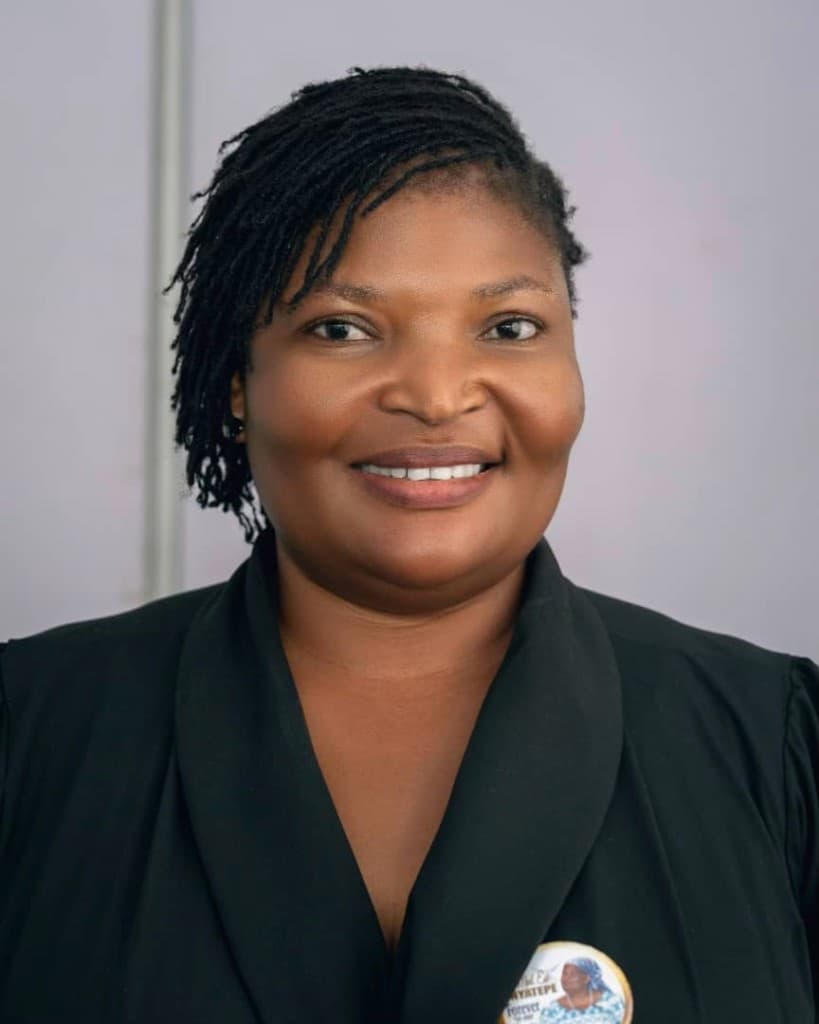
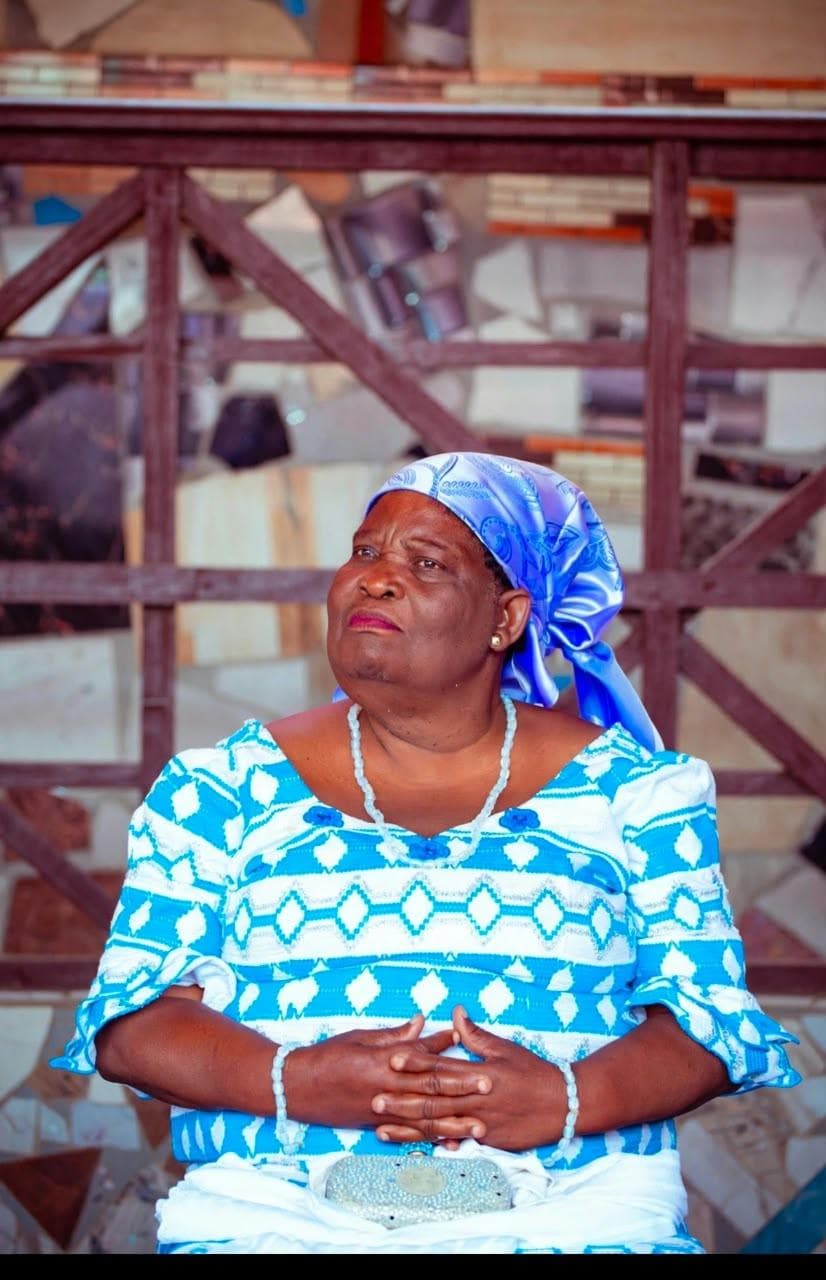
Accra, Ghana, September 17, 2026: On the days she travelled to Togo, my mother was already gone by 4am, while Accra was still asleep. By the time the city stirred, she was crossing the border to buy what she would sell at Makola. We called her Esi Kangaroo, for the way she stood over her children, upright and alert, always ready to protect.
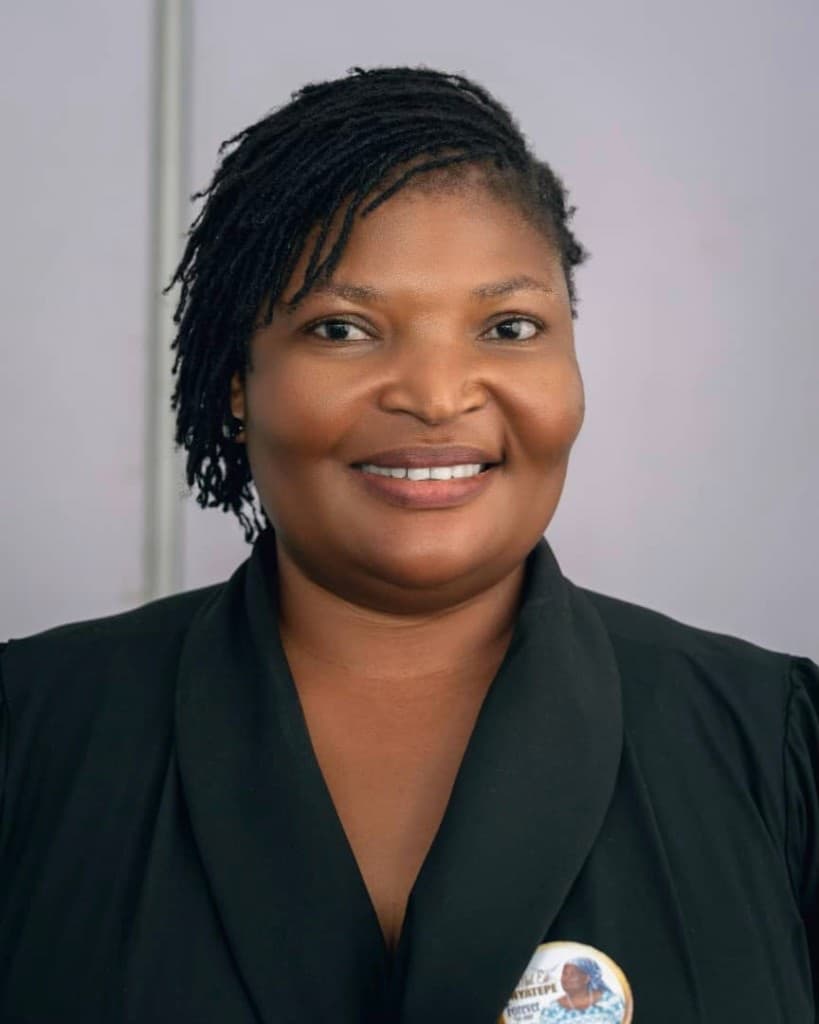
Her name was Esi Nyatepe. She was born in Blekusu, a small town in the Volta Region's Ketu South, and was sent to Accra as a girl to live with her aunt, her father's sister, at Osu. She later moved to stay with her own mother. She went to school only as far as middle school. Everything else, she built with her hands, her feet, and a determination no classroom could have given her.
If you had asked what my mother did for a living, the honest answer was never one job. She imported shoes and children's dresses from Togo to sell at Tudu. When her four children, Bridget, Ruby, Bright and Seyram, were too young for her to travel, she ran a chop bar instead. Later she added waakye, sold by her daughters outside our home on weekends. My mother did not have a job. She had an economy, and the label "she sells at Makola" never came close to describing it.
Not all of her cooking was business. Sunday palm nut soup and fufu, and a fresh fish soup, 'lamumu detsi', were simply how she fed us. Some days she cooked because we were her children. Other days, once the waakye took off, she cooked because it was an income stream. The line between the two was rarely clean, and that blur is part of the point: a great deal of what women like my mother do for their households never gets counted as work at all.
She had a philosophy behind all of it, and she said it plainly enough that I still hear it. "As a woman, you need to have a business," she told us. "Today you are working as a corporate woman. Tomorrow, you lose your job, then what happens? You need a skill." At the time, I thought she was teaching us how to parcel waakye. I understand now she was teaching us never to let our survival depend on one employer, one institution, or one income.
That waakye business proved her point. It started as a weekend sideline and became a daily one, because the demand did not stop and neither did she. Weekends became holidays, and holidays became every day, run alongside a trading schedule that already had her crossing a border twice a week. What we now praise as entrepreneurship, multiple income streams, and financial resilience, my mother was already practising decades ago. She built it between Makola, a kitchen, a chop bar and a household, long before anyone called it a portfolio career or multiple income streams.
On the days she wasn't travelling, she still left for Makola early and was usually back by 6pm. On the days the Togo trip ran long, she came back at midnight, or the next day. It was gruelling, and it was also non-negotiable for her. She had children to feed and did not want us to go hungry, even for a day.
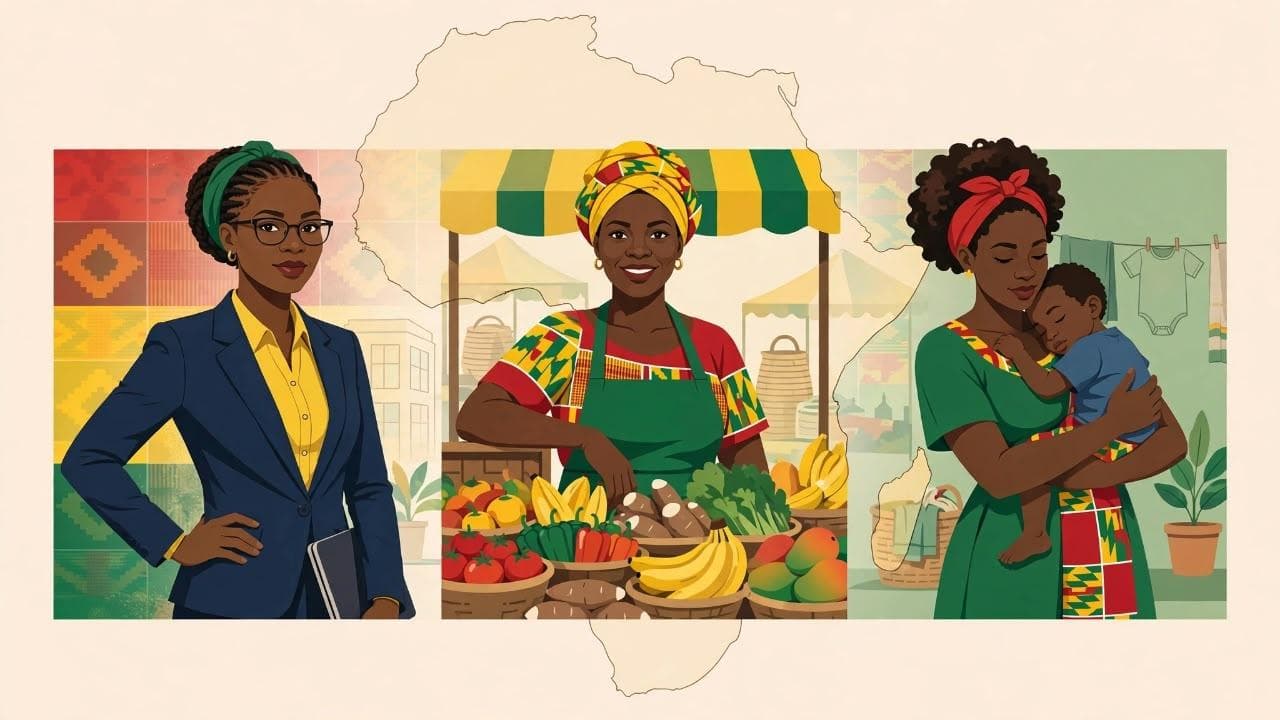
My mother's routine will be recognisable to many Ghanaian women, not because every woman does exactly what she did, but because the combination of paid work, informal trade, household labour and family responsibility is remarkably familiar. Ghana's newest national business census found that women make up close to 80% of workers in the country's open-space businesses and about 77.5% of its mobile traders. Separately, Ghana's 2020 Time Use Survey found that women spend an average of 6.4 hours a day on unpaid care and domestic work, against 1.7 hours for men. That second, largely invisible job is the one my mother was already living before a survey existed to describe it.
I am wary of turning her hardship into something beautiful simply because the outcome was good. The honest question is not how strong my mother was. It is why one woman had to work this hard, on this little sleep, so that four children could be fed and educated. That is not a personal miracle. It is what happens when a country depends heavily on women's informal labour while leaving much of that work without adequate social protection, financing, or recognition.
Her economic life extended far beyond her own four children, and beyond nieces, nephews and the rest of an extended family she refused to watch go without. She taught Petina how to run the chop bar, then handed the business to her outright, and told her to use the proceeds to help support her own aunts back in the village. She helped Valestina start out selling clothes, a trade Valestina still works today, using it to feed her own children. My mother did not simply support people. She created the means for other women to support themselves.
During COVID, when many households in the neighbourhood were struggling, she cooked waakye and set it outside our gate. No payment, no list, no calculation of what she would get back. If you needed one, you picked one. It was the same instinct that ran through everything else she did, just with the ledger removed. She never framed any of it as a principle. It was simply how she understood family: everyone within reach of her hands.
Then illness interrupted the life she was building. She was diagnosed with submandibular carcinoma, a tumour in her jaw. Doctors wanted a biopsy first, but it was only after the tumour was surgically removed that the tissue could be properly tested. She went through sixteen days of radiation. By around the fourteenth day she had grown weak, thrombosis followed, and she passed away soon after.
She toiled for most of her life and lived to see only part of what that toil built. We laid her on a bed of roses and dressed her in kete. She spent her life carrying us. At the end, we carried her. She left behind four grandchildren, Nana Frempon, Maame Tiwaa, Selikem and Sedinam, who will know her through the people she raised and the stories we tell them.
I am not writing this for sympathy. I am writing it because my mother's story is not unusual, and that is the point. Ghana runs on women like her, women who wake before the city does, who carry a job, a side business, a household, an extended family, and often other people's livelihoods too, and who are rarely asked what it costs them. We keep telling women to get educated, get qualified, and build careers, without asking who is holding up everything else while they do it. Their labour finances households, sustains markets and contributes to the wider economy, yet very little of it is protected, insured, or adequately recognised.
My mother taught me resilience before I understood the word. She taught it to me one Togo trip, one bowl of waakye, one 4am departure at a time, and she taught Petina and Valestina the same lesson, who are still using the skills she gave them to build livelihoods today. Esi Kangaroo is gone, but the women who move like her, and the women whose livelihoods she helped build, are out there again this morning, crossing borders before sunrise, cooking after dark, raising children on income and labour that formal systems rarely recognise. They deserve more than admiration. They deserve social protection, access to credit, decent financial services, and a country willing to recognise and value the labour it quietly depends on.
That is what I want people to take from my mother's story. Not pity. Recognition.
Originally published in B&FT Weekend as part of Bridget Mensah's Her Space column.